

Within the realm of architecture, the perfect combination of functionality, aesthetics, and sustainability is essential. An invaluable resource at an architect's disposal is the analysis of daylight, a process that enables the optimization of natural light in built environments. By utilizing Daylight Analysis Wells Somerset of daylight, architects can reshape spaces, enhancing both the visual and emotional experiences of occupants. This article explores the intricacies of daylight analysis, exploring its benefits and applications in modern architecture.
As we explore the complexities of daylight analysis, we will examine essential topics from energy efficiency in commercial buildings to the significant differences between daylight factor and spatial daylight autonomy. Understanding how to effectively incorporate natural light not only enhances well-being but also contributes to ecological sustainability and cost savings. For architects seeking to embrace daylight analysis, this guide will serve as a thorough resource, outlining techniques, tools, and methodologies that enable informed design decisions.
Grasping Daylight Analysis
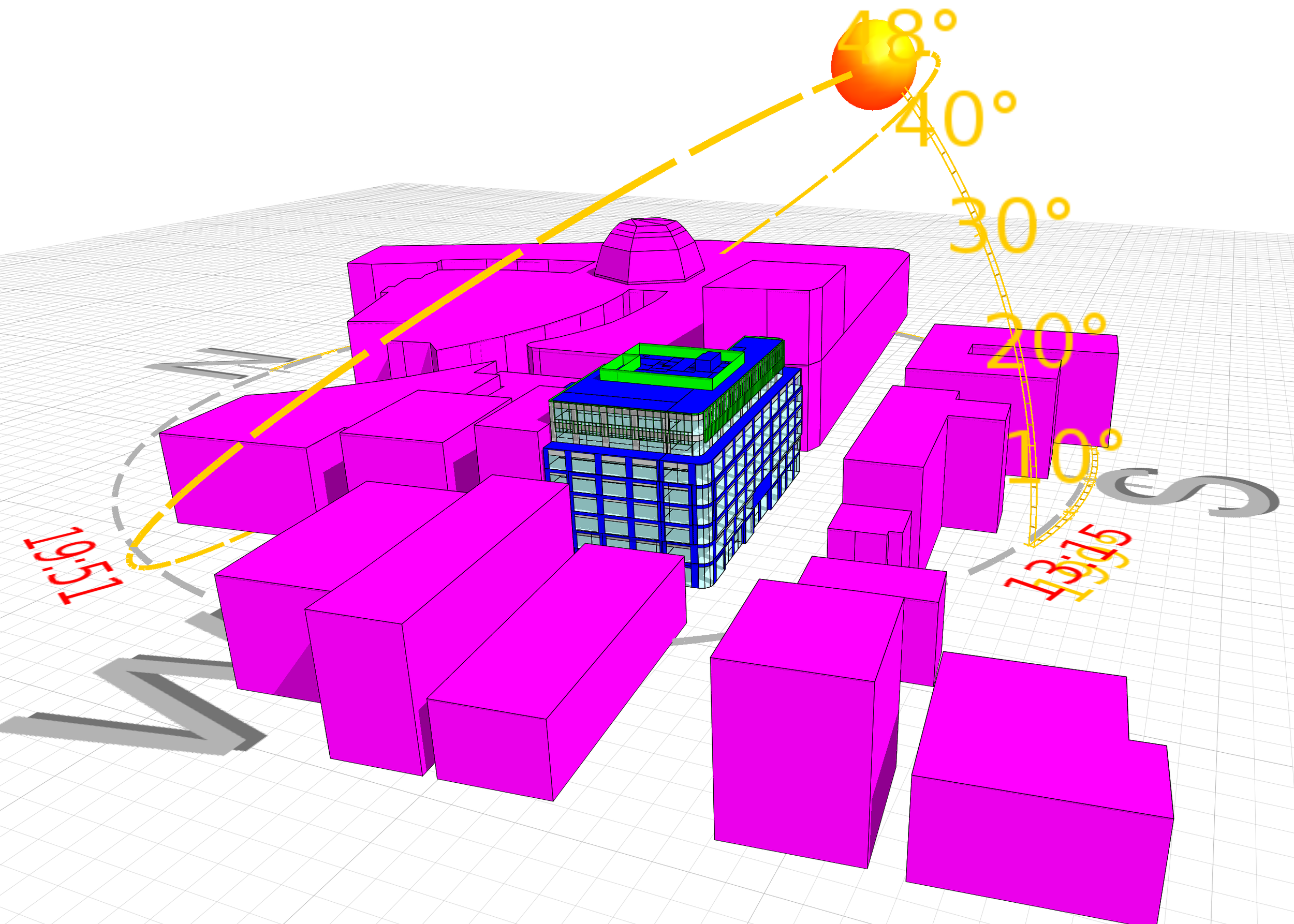
Natural light assessment is a key aspect of architectural design that centers around assessing the quantity and caliber of natural light flowing into a building. This process helps architects verify that spaces are not only well-lit but also tailored for energy efficiency and occupant comfort. By analyzing daylight, designers can create environments that sustain adequate illumination while minimizing reliance on artificial lighting, consequently leading to reduced energy consumption and augmented well-being for occupants.
Adding daylight analysis involves using different tools and techniques to measure how sunlight engages with a building throughout the day and across multiple seasons. Factors such as window orientation, glazing options, and building massing are examined to determine their influence on natural light access. Understanding these interactions allows architects to create designs that enhance daylight while lessening glare and heat gain, enhancing overall comfort and usability of the space.
Moreover, daylight analysis plays a key role in meeting sustainability goals and achieving certifications such as LEED and BREEAM. These certifications often demand a demonstrated understanding of daylighting and its benefits in building performance. By properly integrating daylight analysis early in the design process, architects can create more robust, more efficient environments that support the well-being of their occupants and benefit the environment.
Gains of Daylight Assessment
Natural light assessment offers numerous gains that significantly enhance building design and the performance of buildings. One of the core advantages is the optimization of efficiency in energy use. By assessing the availability of natural light, architects can minimize reliance on man-made lighting and reduce power usage. This results in lower operational costs and contributes to eco-friendly practices, making buildings more environmentally friendly. Furthermore, the integration of natural light assessment can help in achieving energy efficiency standards, such as LEED certification, which is increasingly important in today’s environmentally aware market.
Another significant benefit is the improvement of the health and happiness of building users. Natural daylight has been shown to positively impact mood, productivity, and overall health. With daylight analysis, architects can create spaces that maximize exposure to natural light, thereby enhancing visual enjoyment and promoting a more pleasant atmosphere for occupants. This is especially crucial in environments such as educational facilities and healthcare facilities, where the well-being of users directly influences education and healthcare processes.
Additionally, natural light assessment aids in making informed design choices by evaluating factors such as facade orientation and window-to-wall proportions. This analysis not only helps in managing glare and heat gain but also facilitates a more holistic approach to design, balancing visual appeal with usability. Incorporating these insights early in the design process can lead to innovative solutions that enhance the overall impact of the space while addressing the complexities of urban density and zoning laws. spintax
Natural Light Assessment Instruments and Methods
In the realm of daylight analysis, choosing the appropriate tools and techniques is crucial for obtaining precise outcomes and ideal design outcomes. Important software programs, such as Radiance, Climate Studio, and Vision, offer design experts powerful capabilities for simulating and analyzing daylight in various environments. Luminaire is widely recognized for its high-quality rendering and is especially helpful for detailed photometric evaluation. Climate Studio, built on top of Luminaire, offers an user-friendly layout along with climate-based daylight modeling tools that provide understanding into performance metrics like light factor and daylight autonomy. Insight, part of popular design platforms like AutoCAD, allows for quick assessments of natural light availability and visual comfort, facilitating informed decision-making during the design process.
The use of natural light analysis techniques extends to multiple design contexts, from business structures to residential spaces. Grasping ideas such as annual sunlight exposure and useful daylight illuminance can assist architects in designing environments that maximize natural light while ensuring occupant comfort. Methods like illumination modeling can be used to evaluate the effect of window-to-wall ratios and facade orientation on daylight infiltration. Moreover, investigating glare reduction techniques and dynamic shading can further enhance the quality of lighting within areas, improving both visual and practical aspects of architecture.
Integrating natural light analysis early in the conceptual design stage results in more sustainable building approaches. Daylight Analysis Nailsea Somerset as virtual copies offer immediate data on daylight efficiency, allowing for flexible strategies that meet both energy efficiency and occupant wellness goals. By focusing on daylight via considerate architectural modifications, architects can develop better and more inviting spaces that add favorably to the environment and enhance overall user experience. Embracing these tools and techniques not only leads to high-performance structures but also supports the larger goal of sustainable architecture.